
"dried Fruit"
10000 article(s) found

How much coffee can be produced by a tree a year? where can it be planted in China?
How much can a coffee tree produce in a year? where are the fruits planted in China? after harvesting, the skin and flesh of the fruit must be removed. The endocarp and silver peel are removed to form coffee beans. There are two kinds of methods: drying (natural drying, non-washing) and washing. Dry type, easy to operate, spread the harvested fruit on the dry ground, bask in the sun for a week or two, and you can hear the cluck when you turn it over.

The harvest and processing process of coffee beans and two basic processing methods
Picking: due to climatic differences, the harvest season is usually from September to March in the Northern Hemisphere and from April to August in the Southern Hemisphere. When the coffee beans are ripe, they can be picked. In many alpine slopes, coffee must be picked manually. In relatively flat producing areas such as Brazil, Australia and Hawaii, they can be picked by machines. These two methods

Dried Geisha fruits have the highest caffeine concentration
What is the most caffeinated beverage? Some say Espresso, some say iced coffee-both wrong! Today I officially experienced the Cherry Bomb -dried Geisha fruit brought from Panama, brought back by Robert, the owner of Kaffa himself. Geisha dried fruit looks like dried longan and smells like longan.

Cultivation techniques of small Coffee in Yunnan Province harvesting and processing of coffee beans
Timely harvest is an important link to ensure high coffee yield and improve product quality. The harvest time of small seed coffee is more concentrated, when the fruit turns red, it can be harvested. It should be picked along with ripening. After completely turning red, the fruit is easy to fall off. (9) Wet processing is generally adopted in processing. (1) washing fruit. Wash away the soil or sundries that stick to the fruit. (2) grading of fresh fruit. Green fruit, dried fruit,

Fruit to raw coffee beans
A coffee tree can harvest 3-5 kg of fruit, and raw coffee beans account for 1. 5% of the fruit quality. Going from fruit to raw coffee beans is really a time-consuming and laborious task. Arabian, Robusta and Liberian Arabian coffee account for about 2% of the world's coffee production. The plant is not suitable for high temperature, low temperature, more rain and less rain. Coffee beans are oval and flat, with high quality

The Water Eye of the Coffee Manor in Nicaragua description of the flavor of Fama Yesa after non-contact with water and sun treatment
For the exchange of professional baristas, please follow the coffee workshop (Wechat official account cafe_style) Ojo de Agua. Water eyes Manor (CoE winning Manor | Award record: 2014. 18th) Nicaraguan Coffee tanning treatment Variety: Marsellesa producing area: Nueva Segovia (New Sagovia) City: Dipilto-Los Mares Grade: Strictly Ha

Popular science | how coffee is made, a summary of several common ways to treat raw coffee and beans
Professional baristas Please follow the Coffee Workshop (Wechat official account cafe_style) it is well known that there are many ways to treat coffee beans, but do you know the difference between them? Well, today, the editor will give you some of the most common treatments for raw coffee beans. Sun treatment is a traditional method for the initial processing of coffee beans, currently in Ethiopia and Yemen.

The initial processing technology of coffee in Yunnan requires Arabica to grow coffee beans.
Technical requirements for the initial processing of small seed (Arabica seed) Coffee 1. There are two processing methods for coffee beans made from fresh coffee fruits, namely wet processing and dry processing. The first and second grade fruits are processed by wet method, and the third grade fruits are processed by dry method in areas without peeling machine and lack of water. 2. Processing technology 2.1 equipment and facilities should be equipped with fresh fruit collection pool and siphon

The ratio of brewing coffee to water in the production process of coffee trees
After the fruit is harvested from harvest to delivery, the skin and flesh must be removed. The endocarp and silver peel are removed to form coffee beans. There are two kinds of methods: drying (natural drying, non-washing) and washing. Dry type, the operation is relatively simple, the harvested fruit will be spread on the dry ground and basked in the sun for a week or two. The sound of rattling can be heard when it is turned, which means it is dry. Then peel off the shell.

Introduction of coffee bean sun washing red honey treatment variety taste manor country
Yejia Xuefei coffee beans we know that coffee raw beans can be roughly divided into three methods. The distinction between each method is based on the fact that several layers of matter are removed from the fruit before the coffee is dried. The following is a list of three major processing methods: 11. Natural sun treatment: retain all substances 22. Honey treatment: remove the peel and pulp, retain some or all of the mucous membrane (honey) 3 washing method: use water
The treatment method of high-quality coffee beans-details of coffee refining method
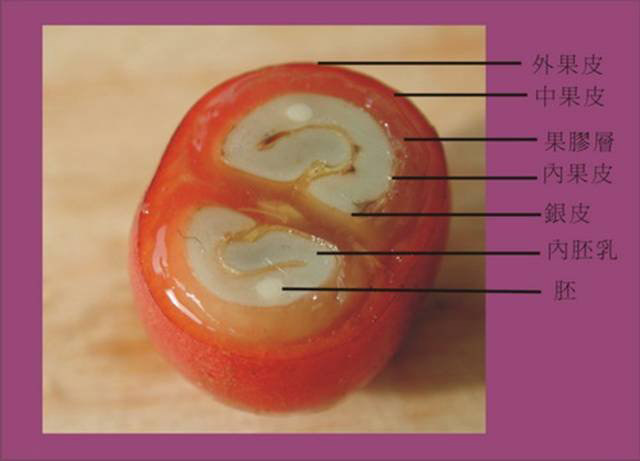
There are a pair of oval seeds in the center of the fruit of the coffee tree, which are covered with exocarp, endocarp and pulp. Ripe fruit will rot in a short period of time without treatment, so the purpose of refining is to enable coffee beans to be preserved for a long time, easy to store and circulate. Figure (1) Coffee fruit Coffee fresh fruit should be dealt with immediately after being harvested. Refining is to remove the peel and pulp of coffee fruit

Why is it that some Pacamara have such a big flavor, but the selection of Mara Kadura coffee beans is not good?
For the exchange of professional baristas, please follow the coffee workshop (Wechat official account cafe_style) El Naranjo Dipilto. Orange Fruit Manor (Best of Nicaragua winning Manor | Award record: 2016. 1st place) Nicaraguan Coffee non-stick Sun treatment Variety: Maracaturra producing area: Nueva Segovia (New Sagovia) area: Dipilto Grade: s

What is the difference between washing coffee and tanning coffee? what is the difference in the taste of washed sun-cured coffee beans?
Professional coffee knowledge exchange more coffee bean information please follow the coffee workshop (Wechat official account cafe_style) sun drying this is a relatively ancient method of treatment. Sun treatment is a kind of low-cost and simple treatment. Sun treatment is to reduce the water content of coffee through a large amount of drying. First, sift out the floating beans and pour the harvested coffee fruit into large ones.

Extraction method of coffee beans: sun drying method
Coffee beans in the harvest stage of different ways can be divided into water washing, sun, half-washing, half-sun four ways.

Introduction to the process of washing coffee and beans with bright and clear acid
Professional coffee knowledge exchange more coffee bean information please follow the coffee workshop (Wechat official account cafe_style) front street-washing treatment process introduction every coffee production season, farmers will coffee fruit after picking, collected into a fixed open-air sink for storage, the sink is filled with water, branches rotten leaves and density screening. Let's take a look at the process of washing treatment.
Beans from African coffee producing areas recommend the rich tropical fruit flavor of Yega Xuefei sun-dried fruit.
Professional coffee knowledge exchange more coffee bean information please follow the coffee workshop (Wechat official account cafe_style) front street-Yega Xuefei sun fruit Tintin introduction Ethiopia is a country from Africa, poverty and drought, geographical conditions, raw coffee beans are mainly sun-treated. In the sun or drying process, the pulp of coffee is usually completely attached to the coffee

What are the basic treatment methods of coffee fruit?
There are a pair of oval seeds in the center of the fruit of the coffee tree, which are covered with exocarp, endocarp and pulp. Ripe fruits FB in a short period of time without treatment, so the purpose of refining is to enable coffee beans to be preserved for a long time, easy to store and circulate. After the fresh coffee fruit is harvested, it should be dealt with immediately. Refining is to remove the skin and pulp of the coffee fruit, and then take out the seeds.
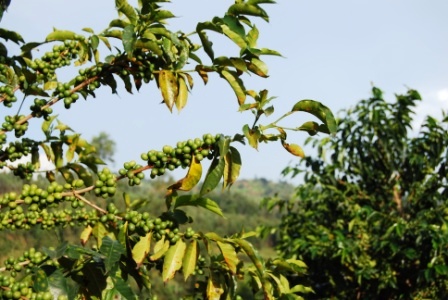
Red treatment "ruby treatment" boutique 90 + patented drying technology strong fruit flavor
Red: the so-called red treatment is a special treatment carried out by the 90 + team through their own patented drying technology, which makes the color of shelled coffee beans show varying degrees of red. This treatment will once again enhance the aromatic characteristics of the coffee itself, and the taste will reflect a strong sweetness with obvious fruit flavor. Ruby: the so-called Hongbao
The harvest and processing process of coffee beans and two basic processing methods
Picking: due to climatic differences, the harvest season is usually from September to March in the Northern Hemisphere and from April to August in the Southern Hemisphere. When the coffee beans are ripe, they can be picked. In many alpine slopes, coffee must be picked manually. In relatively flat producing areas such as Brazil, Australia and Hawaii, they can be picked by machines. These two methods

Introduction to the Flavor of different treatments of Red Honey by washing Coffee
Introduction to the flavor of different treatments of sunburn honey by washing coffee. The process of natural solarization (Natural/Dried-in-the-Fruit) is the simplest. The fruit begins the process of sun drying without treatment after picking. This is the oldest method of treatment in existence. This method is still used in places such as Ethiopia and Brazil. The natural solarization method is used in